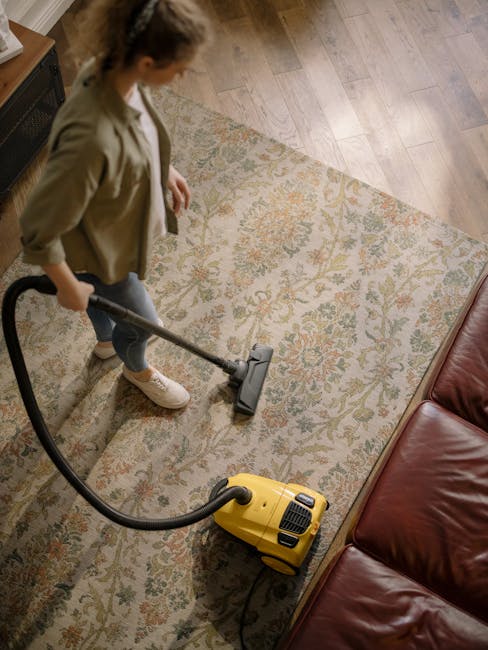
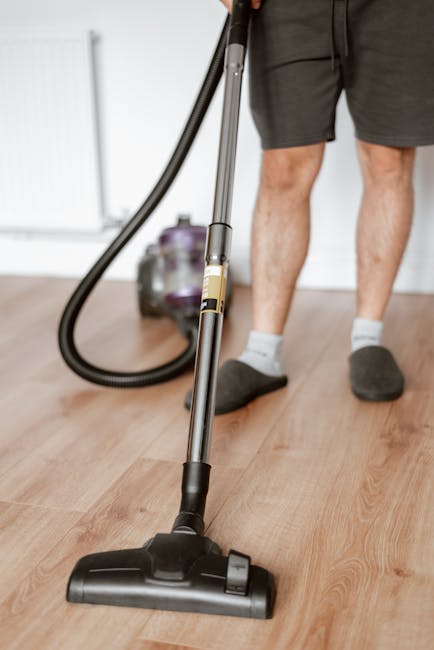
What to know about carpet cleaning in St Johns Wood NW8
If you are trying to work out what to know about carpet cleaning in St Johns Wood NW8, the short answer is this: a good clean is not just about making fibres look brighter. It is about removing grit, spills, dust build-up, pet odours, and the general wear that quietly settles into a busy home or workspace. In a place like St Johns Wood, where flats, period properties, family homes, and managed buildings all have different flooring needs, the right approach matters more than people sometimes expect.
Truth be told, most carpets do not look "that bad" until they suddenly do. One day they seem fine. Then the afternoon sun comes through, the pile looks flattened, and that faint patch near the sofa becomes impossible to ignore. This guide explains the methods, benefits, timing, common mistakes, and practical decisions that help you get a better result without overcomplicating things.
Table of Contents
- Why carpet cleaning in St Johns Wood NW8 matters
- How carpet cleaning works
- Key benefits and practical advantages
- Who it is for and when it makes sense
- Step-by-step guidance
- Expert tips for better results
- Common mistakes to avoid
- Tools, resources and recommendations
- Law, compliance, standards and best practice
- Options, methods and comparison
- Case study or real-world example
- Practical checklist
- Conclusion
- Frequently asked questions
Why carpet cleaning in St Johns Wood NW8 matters
Carpet cleaning matters because carpets behave like filters. They hold onto dust, skin flakes, pollen, outdoor dirt, crumbs, pet hair, and moisture from everyday life. In a London setting, especially where people walk in and out with wet shoes, prams, shopping bags, or the odd muddy footprint, that build-up happens faster than many households realise.
St Johns Wood has a lot of lived-in homes, rented properties, and spaces where presentation counts. A clean carpet can change how a room feels straight away. It can make a hallway look cared for, a reception area feel more professional, and a bedroom smell fresher. It also helps protect the carpet itself. Dirt particles act a bit like sandpaper, and over time they can wear down fibres. Not dramatic, just steady damage. The sort you notice only when the carpet looks tired before its time.
There is also a practical side. Spills left too long can become permanent marks, and damp carpets can keep an unpleasant smell. If you have allergies or pets, regular carpet care can make the whole place more comfortable. For many households, it is a maintenance task rather than a luxury. And to be fair, once you see the difference after a proper clean, it is hard to go back.
If you are comparing options, it is worth looking at the wider service context too. A professional carpet cleaning service is often most effective when it is matched to the carpet type, the stain history, and the building layout rather than treated as a one-size-fits-all job.
How carpet cleaning works
Professional carpet cleaning usually starts with inspection. The cleaner checks the fibre type, pile condition, colour fastness, stains, and any delicate areas such as joins or threshold edges. That first look matters because wool, synthetic blends, loop piles, and delicate rugs can all react differently to moisture and cleaning chemistry.
The next stage is pre-treatment. This means loosening the dirt and targeting problem spots before the main clean begins. High-traffic lanes near entrances, stairs, and seating areas often need extra attention. If there are pet smells or old food marks, those areas may need specialised treatment rather than just a general wash.
Then comes the cleaning itself. In many homes, hot water extraction is the method people mean when they say "steam cleaning", although it is not literally steam from a kettle. The process uses heated water and cleaning solution, then extracts the soil and moisture. It is popular because it can reach deep into the fibres and lift embedded dirt effectively. For lighter maintenance or more delicate situations, low-moisture methods may be more appropriate.
After cleaning, the carpet is carefully rinsed or extracted, then left to dry. Drying time depends on airflow, ventilation, carpet density, and the amount of moisture used. In a flat with windows open and decent air movement, drying tends to be quicker. In a thicker pile or a cooler room, it can take longer. That's normal.
Some homes also need related services in the same visit. For example, if the carpet has picked up sofa marks, pet smells, or a spill that soaked into nearby furnishings, it may make sense to combine it with sofa cleaning or pet stain odour removal. It saves time and often gives a more even finish across the room.
Key benefits and practical advantages
The obvious benefit is visual. Clean carpets look better. But that is only the first layer.
- Improved appearance: Colours look less dull and the pile tends to stand up more evenly.
- Better hygiene: Deep cleaning removes a lot of the debris that sits below the surface vacuuming reaches.
- Odour reduction: Helpful where pets, cooking smells, or general household odours have settled in.
- Longer carpet life: Regular removal of grit and residue can slow wear.
- Better indoor comfort: Rooms often feel fresher and more pleasant underfoot.
- Support for property presentation: Useful for landlords, tenants, agents, and anyone preparing a home for sale or rental.
There is a subtle benefit people often miss: professional cleaning can reveal the true condition of the carpet. Once dirt is removed, you can see whether the issue was grime or actual damage. That helps you decide whether repair, replacement, or routine maintenance makes the most sense. Better to know, really.
For stubborn marks, a dedicated stain treatment can make all the difference. A targeted stain removal approach is usually more effective than scrubbing with household products and hoping for the best. Hoping is not a plan. We all know that.
Who this is for and when it makes sense
Carpet cleaning makes sense for a wide range of people in NW8. The reasons may differ, but the underlying need is similar: keep flooring presentable, comfortable, and well maintained.
Homeowners often book cleaning after visible spills, seasonal deep cleans, or before guests arrive. In family homes, it is common to focus on living rooms, hallways, and stairs because they take the heaviest use.
Renters may need carpet cleaning at the end of a tenancy or before moving in. A carpet can look acceptable at first glance, then fail the closer inspection once the furniture is out. That is usually when the little wear patches show themselves.
Landlords and letting agents tend to want fast turnaround, consistent results, and evidence that the property has been well cared for. Carpet cleaning can be one of the easiest ways to improve the impression of a flat without major refurbishment.
Businesses in and around St Johns Wood may need more frequent maintenance, especially where clients, visitors, or staff are moving in and out all day. A clean carpet supports a professional first impression. For those settings, commercial carpet cleaning is the more relevant route because scheduling, access, and service levels are usually different from domestic work.
Pet owners should also think in advance rather than waiting for an obvious problem. Hair, dander, and the occasional accident can sink into carpet fibres quickly, and once the smell settles, it can linger. That is one of those annoying household truths, isn't it?
Step-by-step guidance
If you want a sensible, low-stress way to approach carpet cleaning, follow these steps.
- Assess the carpet first. Check the material, age, visible stains, and any areas that feel matted or rough. If there is a rug, note whether it needs separate treatment.
- Vacuum thoroughly. This removes loose debris so the cleaner can work on bonded dirt rather than surface dust. Slow vacuuming is better than a quick pass.
- Spot any problem areas. Identify spills, pet marks, tracked-in dirt, and traffic lanes. If needed, arrange specific treatment for those sections.
- Choose the right method. Steam-based cleaning, low-moisture cleaning, and stain-specific treatments all have different strengths. The right option depends on fibre type and drying needs.
- Prepare the room. Move small items, clear floors, and make access easy. A few minutes of prep can save a lot of faff on the day.
- Allow proper drying. Keep airflow moving, avoid heavy foot traffic, and wait before replacing furniture if the carpet is still damp.
- Review the result. Check stain edges, pile direction, and any remaining spots once the carpet is dry. Some marks only show fully after drying.
If the carpet is part of a larger fabric-care job, it may be worth looking at related services such as upholstery cleaning or rug cleaning. Rooms often look better as a whole when soft furnishings are treated together, not piecemeal.
Expert tips for better results
A few small choices can make a noticeable difference.
Act early on spills. The sooner you blot a mark, the less likely it is to bond with the fibres. Blotting is the word there. Not rubbing. Rubbing just spreads the mess around and can rough up the pile.
Use the right amount of moisture. More water is not automatically better. Over-wetting can lead to longer drying times and, in some cases, wicking, where a stain seems to come back up as the carpet dries.
Match treatment to fibre. Wool, polypropylene, and blended carpets should not always be treated the same way. Wool especially benefits from careful pH control and measured cleaning.
Think about airflow. Open windows if conditions allow, switch on extraction or fans where appropriate, and keep the room ventilated after cleaning. Drying is part of the job, not an afterthought.
Ask about stain history. A mark from tea, wine, pet accident, or dye transfer may need a different treatment. If a cleaner knows the history, they can make smarter decisions on site.
Keep expectations realistic. Most carpets improve dramatically with the right clean, but not every stain can be fully removed. Fading, bleach spots, and fibre damage are different problems. Clear advice matters more than overpromising.
One practical tip from the real world: if you have a room with strong daylight, check it in the morning and again later in the day. You will sometimes spot pressure marks or residual shading that were not obvious before. Not glamorous, but useful.
Common mistakes to avoid
People often create more work for themselves by rushing or using the wrong products.
- Scrubbing stains hard: This can damage fibres and push the stain deeper.
- Using random household chemicals: Some products react badly with carpet fibres or dyes.
- Leaving spills too long: Old stains are harder to shift and can become set.
- Skipping vacuuming before cleaning: Loose grit turns into slurry when mixed with moisture.
- Ignoring drying time: Walking on a damp carpet too soon can flatten the pile and re-soil it.
- Choosing the wrong method for delicate carpets: More aggressive cleaning is not always better.
- Forgetting nearby fabrics: If the carpet is clean but the curtains or sofa are dusty, the room still feels tired.
There is also a common assumption that all carpets should look brand new after cleaning. That is not always realistic. A good clean should improve appearance, hygiene, and smell, but wear, shading, and permanent damage may still show. Honest expectations save disappointment.
Tools, resources and recommendations
You do not need a warehouse of equipment to keep carpets in good shape, but a few basics help a lot:
- A reliable vacuum cleaner with decent suction and a brush head suited to carpet pile.
- Microfibre cloths for blotting spills gently.
- Plain white absorbent paper for fresh spots when you need to lift moisture quickly.
- A fabric-safe spot treatment for the occasional emergency, used cautiously.
- Door mats and runners to reduce tracked-in dirt in entrance areas.
For homeowners who want to extend the life of carpets, the best recommendation is simple: combine routine vacuuming with occasional deep cleaning rather than waiting until the flooring looks tired. That balance usually gives the best value.
If you are checking trust and service details before booking, it is sensible to review the company's own policies. Pages such as pricing and quotes, insurance and safety, and health and safety policy can help you understand what to expect before anyone sets foot in the property.
Law, compliance, standards and best practice
For most household carpet cleaning, the main concern is not legal complexity but sensible professional practice. Still, there are a few things worth keeping in mind in the UK context.
First, any cleaner entering a property should work carefully and responsibly around occupants, furniture, electrical items, and surfaces that may be slippery during or after cleaning. That sounds obvious, but the details matter. Good cleaners protect floors, communicate drying times, and avoid leaving hazards behind.
Second, products should be used according to manufacturer guidance and with attention to fibre safety. On wool carpets, for example, cleaning should be controlled and appropriate rather than heavy-handed.
Third, if the job involves communal areas, commercial premises, or managed buildings, there may be site-specific expectations around access, noise, hours, and safety checks. Those are usually practical best-practice issues rather than grand legal points, but they still shape a smooth visit.
Fourth, customers should expect clear terms on what is included, how payments are handled, and what happens if a stain cannot be removed completely. Transparency matters. The cleaner should explain the likely outcome in plain English, not hide behind vague promises.
If you are looking for reassurance on the company side, it is also sensible to review the relevant terms and conditions and payment and security information before booking. It is a boring step, yes, but a useful one.
Options, methods and comparison
Not every carpet needs the same treatment. Here is a simple comparison that helps with decision-making.
| Method | Best for | Advantages | Watch-outs |
|---|---|---|---|
| Hot water extraction / steam cleaning | General deep cleaning, heavy soil, most domestic carpets | Strong soil removal, good for refresh and hygiene | Longer drying time, not ideal for every delicate material |
| Low-moisture cleaning | Faster turnaround, lighter maintenance, some sensitive settings | Quicker drying, less disruption | May not remove deep-set soil as aggressively |
| Spot treatment | Specific stains and accidents | Targets problem areas directly | Needs careful product selection and technique |
| Fabric combination clean | Rooms with carpets plus sofas, curtains, or rugs | More even overall freshness | Requires good planning and access |
If you are specifically comparing cleaning styles, a dedicated steam carpet cleaning option may suit deeper refresh work, while stain-focused services are better if your main concern is one awkward spill rather than the whole room. A little judgement goes a long way here.
Case study or real-world example
A fairly typical St Johns Wood scenario goes like this. A family in a two-bedroom flat notices that the hallway and living room carpets look fine in winter light, but by early spring the traffic lanes have turned grey and the area around the sofa has a faint, stale smell. Nothing dramatic. Just enough to make the whole place feel less fresh.
They vacuum regularly, but the fibres are holding onto dust and residue from daily life, plus a couple of minor spills that were cleaned in a hurry months ago. The cleaner inspects the carpet, treats the high-traffic areas first, and then deep cleans the main rooms. The pet area near a radiator gets extra odour treatment. A small rug by the entrance is handled separately because it has a different weave.
What changes? The room looks lighter. The pile stands up more evenly. The smell drops back to neutral. The family notices the biggest difference not in the first five minutes, but the next morning, when the rooms feel calmer and cleaner underfoot. That sort of result is common. Not magic. Just proper process done carefully.
In properties with mixed fabrics, the same logic applies. A cleaner may recommend combining carpets with curtain cleaning or a broader upholstery cleaning visit so the whole room feels consistent rather than half-finished.
Practical checklist
Use this quick checklist before booking or before a cleaning appointment:
- Identify the carpet type if you can.
- Note any stains, smells, or traffic lanes.
- Check whether furniture needs moving.
- Decide if rugs, sofas, or curtains should be cleaned too.
- Ask about drying time and access needs.
- Clear small items from the floor.
- Make sure the cleaner understands any delicate areas.
- Plan for ventilation after the job.
- Review the service terms in advance.
- Set realistic expectations for permanent damage or old stains.
Key takeaway: the best carpet cleaning outcome usually comes from matching the method to the carpet, preparing the space properly, and treating stains early rather than waiting for them to become "character".
Conclusion
What to know about carpet cleaning in St Johns Wood NW8 comes down to a few practical truths: carpets collect more than they show, cleaning method matters, drying time matters, and small details make a bigger difference than most people expect. If you look after the carpet before it becomes a problem, the whole property feels fresher, calmer, and better maintained. That is especially useful in a local area where homes and commercial spaces often need to look smart without feeling overworked.
So if your carpet is tired, stained, or just not quite as fresh as it used to be, do not put it off forever. A well-planned clean can bring a room back to life in a way that is strangely satisfying. A bit mundane, perhaps. But very useful.
Get a free quote today and see how much you can save.
And if you are still weighing things up, start with the most honest question: what does the carpet actually need right now? Once you answer that, the next step gets much easier.
Frequently Asked Questions
How often should carpets be professionally cleaned in St Johns Wood NW8?
It depends on foot traffic, pets, children, allergies, and how quickly dirt builds up in your home or workplace. Many households find a deep clean useful every 6 to 12 months, but busier properties may need more frequent care.
Is steam carpet cleaning safe for all carpets?
Not always. It works well for many domestic carpets, but fibre type, dye stability, and backing material all matter. Delicate carpets may need a lower-moisture method or more cautious treatment.
How long does carpet cleaning take to dry?
Drying time varies with carpet thickness, moisture use, room ventilation, and the method chosen. Some carpets are touch-dry relatively quickly, while heavier pile can take longer. Good airflow helps a lot.
Can all stains be removed?
No, and it is better to be realistic about that. Fresh stains usually respond better than old ones, but bleach damage, dye transfer, and some permanent marks may not fully disappear even after professional treatment.
Do I need to vacuum before the cleaner arrives?
Yes, if possible. A good vacuum before cleaning removes loose grit and surface debris, which helps the deeper clean work more effectively. It is a simple step, but it makes a difference.
Is carpet cleaning worth it for rented flats?
Usually yes, especially if you want the property to look cared for at handover or after a tenancy. Clean carpets can improve appearance quickly and may help avoid awkward discussions about wear and tear.
What is the difference between carpet cleaning and rug cleaning?
Carpets are usually fixed flooring, while rugs are movable and may have different fibres, weaves, or backings. Rugs often need a separate approach because they can be more delicate or prone to colour bleeding.
Can carpet cleaning help with pet smells?
Yes, if the odour has reached the fibres or underlay only to a limited extent. Pet-related smells often need targeted treatment, especially where accidents have soaked in or happened more than once.
Should I clean the sofa and curtains at the same time?
Sometimes that is the smartest move. If the room has visible dust, odour, or general dullness, cleaning the soft furnishings together can produce a more even and noticeable refresh.
What should I ask before booking a carpet cleaner?
Ask about their cleaning method, drying time, stain approach, insurance and safety, what is included in the price, and how they handle delicate carpets. Clear answers are usually a good sign.
Are commercial carpets treated differently from home carpets?
Often, yes. Commercial spaces usually need more attention to access, scheduling, higher foot traffic, and faster turnaround. The cleaning process may be similar, but the planning is not the same.
What if the carpet looks worse before it looks better?
That can happen. Some stains reappear slightly as they dry, or the pile may need time to settle. If something looks off after cleaning, it is worth checking it once fully dry before drawing conclusions.